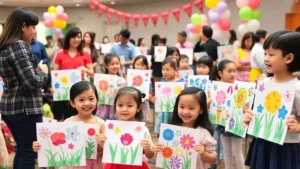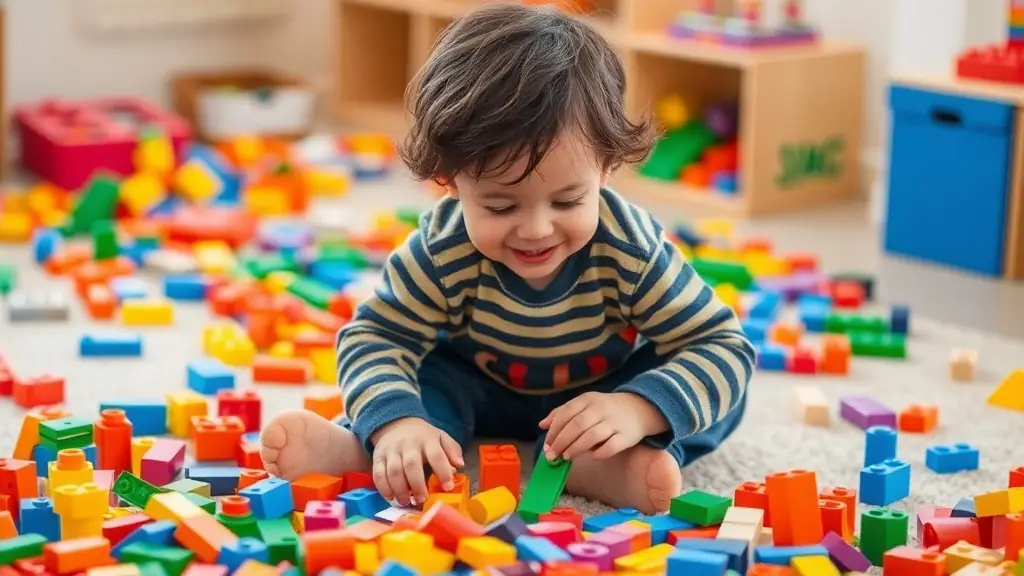
Play is not just a fun activity for children; it is a vital part of their development. Through play, children explore their environment, learn new skills, and develop social relationships. It encourages creativity and imagination, allowing children to express themselves freely. Moreover, play-based learning helps in cognitive development, as children engage in problem-solving and critical thinking activities.
In early childhood education, play is integrated into the curriculum to enhance learning experiences. Educators design activities that promote exploration and discovery, ensuring that children are actively engaged. This approach not only makes learning enjoyable but also helps children retain information better. By participating in group play, children also learn important social skills such as sharing, cooperation, and empathy.
Parents can support their children’s play by providing a variety of materials and opportunities for exploration. Outdoor play, in particular, is essential for physical development and well-being. By understanding the significance of play, parents and educators can work together to create enriching environments that foster holistic growth in young children.